12 Tips from a New Construction Specialist for Finding Your Perfect Property
Choosing the right property can feel overwhelming, especially with so many factors to consider. As a new construction specialist, I’ve seen it all and learned a few tricks along the way. Let’s dive into some practical tips to help you make the best decision for your dream home.
1. Understanding Your Needs and Wants
Before diving into real estate options, it’s crucial to clearly distinguish between your needs and wants. Start with basics: number of bedrooms, bathrooms, or proximity to work and schools. Next, make a separate list of desires such as a spacious backyard, a modern kitchen, or extra storage. This difference will guide countless decisions, helping you prioritize functionalities over fleeting desires.
You should also consider how your priorities might evolve over time. If you’re planning to start a family, aspects like school districts and nearby playgrounds might grow in importance. By anticipating these changes, you can choose a property that suits both your current and future needs.
2. Researching the Market
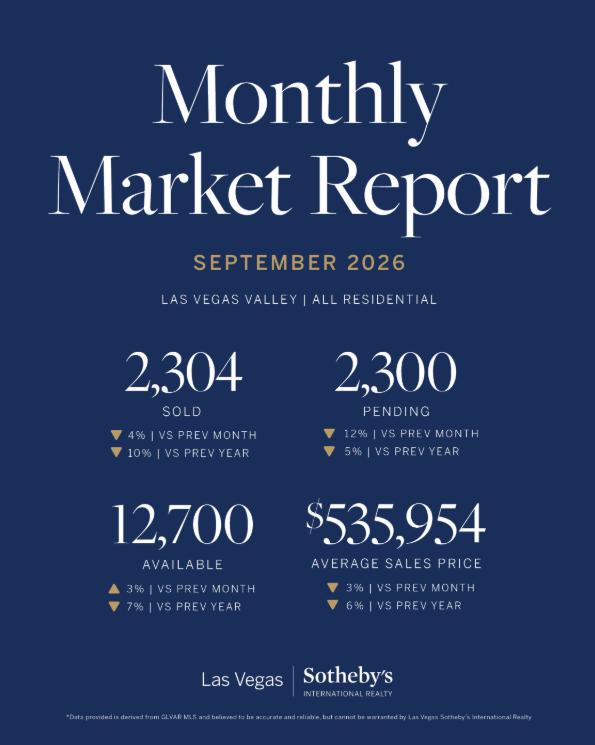
The real estate market is dynamic, reflecting economic trends and societal shifts. To ensure you’re making a sound investment, research historical data and current trends in your desired location. Pay attention to property values over time and the frequency of sales in the area to gauge stability and potential growth. Local economic factors, such as employment rates and development projects, can also provide hints about future market conditions.
Engaging with local experts and community forums can provide firsthand insights into what’s happening in the neighborhood. Their knowledge of upcoming developments might uncover opportunities that aren’t yet public knowledge. This local intel can position you to make strategic, timely property decisions.
3. Evaluating Location Importance
Location isn’t just about immediate convenience; it’s a pivotal aspect of long-term investment strategy. While evaluating a neighborhood, consider future accessibility plans such as public transport developments or highway expansions. These factors can significantly boost property values.
Consider living near community support structures such as parks, libraries, and community centers. These amenities not only enhance day-to-day life but also contribute to maintaining high property values over time. A vibrant community can be both fulfilling and a wise investment.
4. Exploring New Developments
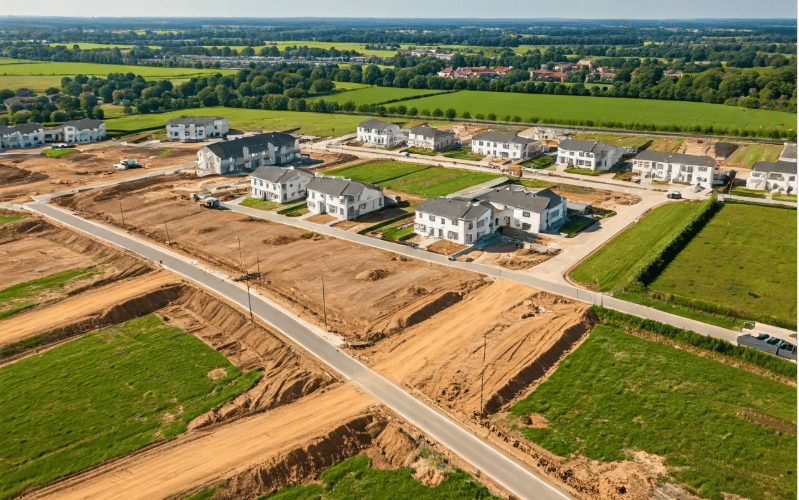
The appeal of new constructions often lies in the modern aesthetics and state-of-the-art facilities they offer. However, while weighing these benefits, it's also important to consider the sustainability features incorporated into these properties. Energy-efficient homes can significantly reduce utility bills and have less environmental impact, offering both personal and community-wide advantages.
When exploring new developments, assess both the builder’s track record and the community's master plan. This research will provide insights into potential resale values and community growth. Being aware of builder warranties can also alleviate future maintenance concerns.
5. Assessing Future Growth Potential
Areas undergoing urban rejuvenation often offer considerable growth potential. Keep an eye on revitalization projects and infrastructural improvements, such as new business parks or retail centers. These developments usually precede population influxes, likely increasing property demand and, consequently, values.
Furthermore, indicators like low property taxes or high enrollment in local schools can signify an area’s burgeoning appeal. Assessing these local metrics will guide you towards an investment that promises both enjoyment and profitable returns.
6. Inspecting Property Quality
Opting for a professional property inspection is non-negotiable. It’s an investment in peace of mind, potentially saving you from unforeseen expenses down the road. Beyond foundational integrity, focus on evaluating the state of plumbing, roofing, and electrical systems, as these are often the most cost-intensive repairs.
Inspection reports are more than mere lists of deficiencies; they're negotiation tools. Minor flaws can translate into leverage, helping you negotiate price reductions or seller-paid repairs, which could make a significant impact on your budget.
7. Reviewing Financing Options
Navigating the financial landscape requires understanding both short-term affordability and long-term implications. Explore various mortgage options, such as fixed-rate or adjustable-rate mortgages, while considering their impact based on projected interest rate trends.
You should also get pre-approved for a mortgage before house hunting. This not only informs you of your budget but also signals sellers that you’re a serious buyer, potentially giving you an edge in competitive markets. This small step can set the stage for a seamless purchasing journey.
8. Understanding Legal Considerations
Legal knowledge plays a pivotal role in property transactions. Familiarizing yourself with local zoning laws, property taxes, and homeowner association fees, if applicable, is vital for a smooth transition into your new home. These factors can have a significant impact on both day-to-day living and long-term property value.
Additionally, understanding real estate contracts or seeking guidance from a real estate attorney ensures clarity on what you’re agreeing to. These documents are binding agreements, and well-informed decision-making here can pave the way for protected and content property ownership.
9. Navigating Negotiations
Every real estate negotiation is an opportunity to enhance your deal, so don’t shy away from pursuing better conditions, whether it's price reductions or added services. Possessing local market knowledge and awareness of the property's histories can give you negotiating power.
Often, non-monetary negotiations, such as including certain appliances or agreeing upon a favorable moving date, can yield mutual satisfaction. Crafting a considerate yet firm negotiating strategy can set the stage for both immediate gratification and long-term property satisfaction.
10. Weighing Investment Opportunities
Long-term investment value should always be on your radar when purchasing property. Delving into the rental potential, either as a landlord or through house-sharing platforms, can provide an additional income stream and bolster financial security.
Before seeing potential tenants, ensure your compliance with local rental regulations. These could affect property enjoyment, alter tax implications, or bring unexpected legal challenges. Evaluating these carefully leads to a rewarding and legally sound investment journey.
11. Balancing Emotional and Rational Decision-Making
In the emotional whirlwind of purchasing a home, it’s easy to cling to charming aesthetics over practical needs. While it’s essential to love your living space, ensure logic presides over emotions when costs and longevity are at stake.
It’s often helpful to bring someone impartial and trustworthy to viewings, providing another set of eyes to weigh emotional inclinations against rational necessities. This balance can shield you from making expensive decisions led by short-lived emotions.
12. Securing the Property
Having identified your dream property, speed and diligence become your closest allies. Swiftly proceeding with offers expresses intent and keeps competitors at bay. Nevertheless, ensure your excitement doesn’t eclipse vigilance. Thoroughly review your financing and any contractual agreements, preventing any last-minute roadblocks.
Once sealed, celebrate the end of your property search but remain consistent with follow-ups. From facilitating inspections to organizing paperwork, a meticulous approach during this phase will pave the way for a stress-free transition to your new home.