15 Questions to Ask Before You Buy Property in Vegas
Buying property in Las Vegas can be one of the most exciting yet challenging investments you'll make. In a city full of vibrant energy and lucrative opportunities, it's crucial to approach this decision with the right questions in hand. Whether you're a first-time buyer or looking to expand your portfolio, ensuring you cover all bases will lead to a sound investment. Let’s dive into the key questions to ask before taking the plunge.
1. What Are Your Investment Goals?
Understanding why you want to purchase property is the first step. Are you looking for a steady income stream, a quick flip, or a long-term asset? Defining your goals will help guide your decision-making process. Knowing your intentions can influence the type of property you should look at, whether it’s a vacation rental, a cozy home, or a commercial space. Considering what you want out of your investment will not only help narrow your search but can also impact your financing strategies and expected return rates. Moreover, your goals might dictate the location you choose; for instance, tourist-heavy areas can be more profitable for short-term rentals.
2. How Is the Las Vegas Real Estate Market Trending?
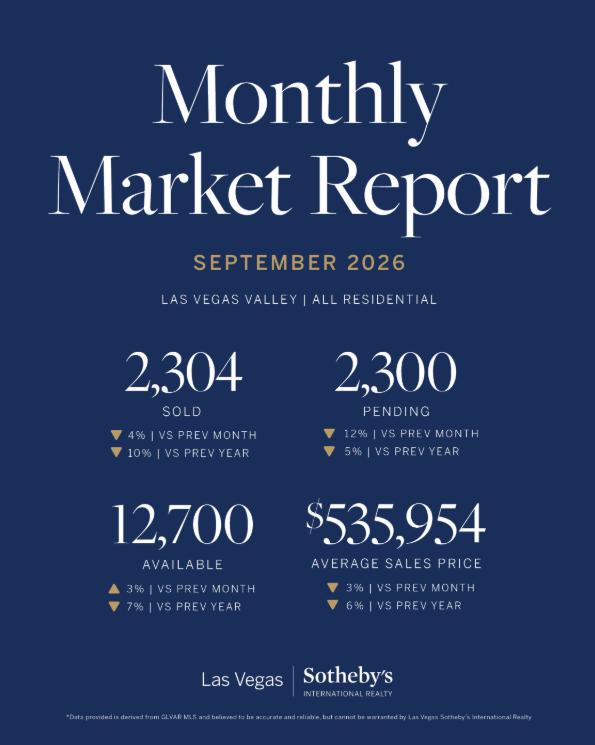
Before you buy, it's essential to research current market trends. Look into past performance and future forecasts. This will give you an idea of potential appreciation and the best times to buy. The Las Vegas real estate market is known for its volatility, with prices often fluctuating due to economic changes, tourism, and population growth dynamics. By analyzing market cycles, you can identify when properties are likely underpriced or overpriced. This not only helps you save money but also boosts your potential returns on investment.
3. What Are the Neighborhood Demographics?
Get to know the area by examining demographics such as age, income, and lifestyle. This information can be crucial in determining the property's future value and rental potential. An area popular among young professionals is likely to have higher rental demand than those predominantly occupied by retirees. Moreover, understanding income levels can help you set competitive rental rates or anticipate resale values. Accessing local census data can offer insights into trends like population growth, employment types, and purchasing power.
4. Are There Any Development Plans Nearby?
Future developments can significantly impact property values. Check with local planning departments or real estate agents to find out if there are planned changes that could affect your investment. New shopping centers, schools, or transport links can increase desirability and lead to property value appreciation. Conversely, a planned bypass or industrial project could reduce attractiveness. Staying informed about municipal plans allows you to anticipate shifts in property demand and price changes.
5. What Are the Local Crime Rates?
Safety is a major concern for homeowners and renters alike. Review crime statistics of the neighborhood to ensure you're investing in a safe area. High crime rates can lead to difficulties in rental opportunities and reduce resale value. Websites and local law enforcement agencies often provide crime maps and statistics, offering detailed insights into specific areas. This information can be vital in gauging the risk to both property and personal safety.
6. What Are the Expected Maintenance Costs?
Factor in any maintenance costs that might arise, especially if the property is older. Knowing this upfront will help you budget better for the long term. Older properties might have charm, but they can also come with hidden costs such as roof repairs, plumbing issues, or outdated electrical systems. Conducting a thorough inspection will highlight potential issues, and a detailed maintenance plan can mitigate unexpected expenses and preserve property value.
7. How Does the Property Compare to Similar Listings?
Conduct a comparative market analysis to see how the property stacks up against similar listings. This can help ensure you're paying a fair price. Local real estate agents can provide insights into recent sales and active listings that are similar in size, age, and location. Understanding these comparables can guide your offer strategy, assist in negotiating terms, and ensure that you are investing at the current market rate. A well-informed purchase can increase your future profitability, whether through resale or rental income.
8. What Financing Options Are Available?
Explore different financing options to find one that fits your financial situation. Whether it’s a traditional mortgage or something more creative, knowing your options is key. Some options include interest-only loans, seller financing, or government programs designed for first-time buyers. Consult with financial advisors or real estate lenders to compare interest rates, benefits, and potential pitfalls of various financing avenues. Choosing the right type can lower your monthly costs, affect your cash flow, and ultimately enhance your investment.
9. Are There Any Zoning Restrictions?
Be aware of zoning laws that might limit what you can do with your property. Understanding these restrictions will prevent future headaches. Zoning laws dictate land use and cover everything from building structures to land use types. If you plan to make changes or develop the property further, knowing this legal framework is crucial. Contact local zoning offices or consult legal documents to ensure your intended use aligns with current regulations, as running into conflicts can delay or even cancel your plans.
10. What Are the Property Taxes?
Property taxes can vary widely. Make sure to calculate these costs into your budget to avoid any surprises. Different locations within Las Vegas may have different tax rates, influenced by local government budgets, services, and area desirability. Property taxes are typically based on assessed property value, so knowing these rates and any potential exemptions, such as those for primary residences, can save you money over time.
11. Is the Property in a Homeowners Association?
If applicable, learn about HOA fees and regulations, as they can affect both costs and lifestyle. HOAs can provide a sense of community and upkeep standards but also impose restrictions and require monthly or annual fees. Understanding the specifics of an HOA, such as their rules about alterations, parking, and common areas, helps you assess if this fits your lifestyle and financial situation. Make sure to check meeting minutes for any major planned expenditures or upcoming fee increases.
12. What Are the Rental Prospects?
If you're planning to rent out the property, research the rental market for demand and potential income. Vegas draws a diverse range of renters, including locals, temporary residents, and tourists. Analyze competitive rental properties, lease terms, and occupancy rates to assess profitability. Understanding the seasonal trends and target tenant demographics can maximize rental potential and lead to consistent income generation. Tools such as rental price calculators and local market reports are helpful in estimating your income.
13. What Kind of Insurance Is Needed?
Understanding the types of insurance required, whether it’s fire, flood, or general liability, will protect your investment. Homeowner insurance typically covers property damage and liability, but depending on location, you might need additional flood or earthquake insurance. Evaluating insurance options by consulting with insurance professionals ensures that you are covered for unforeseen events, safeguarding your financial stability and peace of mind.
14. Are There Any Environmental Concerns?
Investigate any environmental issues such as soil stability or flood plains that might affect your property. Environmental assessments can highlight concerns like water quality, previous industrial use, or proximity to natural hazards. While these issues might not be immediately visible, they can cause long-term problems affecting property value and safety. Contacting an environmental engineer for a professional assessment can offer peace of mind or uncover potential concerns.
15. Can You Envision Living in This Neighborhood?
Finally, ask yourself if this is a place you'd like to live. Whether you plan to live there or attract buyers who do, this question helps align your purchase with quality of life considerations. Consider factors such as community vibe, local amenities, school quality, and commute times. A neighborhood that aligns with your lifestyle not only enhances personal satisfaction but also translates to a more attractive property for future buyers or renters looking for the same qualities.