17 Questions to Ask Your Real Estate Agent Before Selling Your Home
Selling your home can be an overwhelming process, especially if you're doing it for the first time. Choosing the right real estate agent is crucial, as they will guide you every step of the way to ensure a smooth transaction. Before making a decision, it's important to ask the right questions to gain confidence and clarity about their process and how they plan to meet your goals.
1. Experience in the Local Market
Understanding how well an agent knows the local real estate market can greatly impact the sale of your home. Ask about their experience with homes similar to yours and what they know about current market trends. Some agents might specialize in certain neighborhoods or property types, so it’s important to ensure that their expertise aligns with your needs. The right agent will provide data-backed insights, whether it’s the average days on market for similar properties or recent sales in your area. Their local knowledge can provide you with a competitive edge, especially in fluctuating markets.
Dive deeper by inquiring about the types of challenges they've faced and how they've overcome them. An experienced agent will have a repertoire of success stories and strategies ready to share. The value of their local insights can not be underestimated as certain market nuances are only noticed by seasoned professionals. Besides peace of mind, this understanding gives you a realistic outlook, helping set achievable goals for your sale.
2. Marketing Strategy for Your Home
Inquire about the agent's marketing plan to showcase your property. A robust strategy that includes digital marketing, open houses, and professional photography can make a significant difference in attracting potential buyers. A real estate agent using advanced technology like virtual tours or drone footage provides an interactive experience for prospective buyers, potentially making your listing stand out in the digital space. Furthermore, ensure they utilize listing platforms and social media channels to expand your home's reach beyond local markets.
Moreover, ask how they personalize marketing strategies for different homes. Some homes benefit from targeted print advertisements, while others might require more focus on online marketplaces. Understanding the unique marketing tactics they employ can reassure you of their dedication and creativity—a sign that they're serious about selling your home promptly and at the right price.
3. Expected Timeline for Selling
Knowing what to expect in terms of time frames is key to planning your sale. Discuss estimated timelines based on current market conditions and their past sales performance. Some agents may have outlined strategies to expedite the process, such as pre-listing marketing or pricing strategies that aim to garner quick interest. However, don’t overlook potential snares that could elongate the process, such as seasonal market fluctuations or unique property features that might require a niche market approach.
Also, ask how they set benchmarks for progress and what indicators they use to adjust tactics if things aren’t proceeding as planned. A savvy agent knows when to adjust listing prices or modify marketing approaches to maintain momentum. Their ability to pivot based on real-time feedback or changing market conditions can be crucial to keeping the sale on track or pivoting as necessary.
4. Communication Preferences and Frequency
Clear communication is crucial during the selling process. Ask your agent how they prefer to communicate and how often you can expect updates throughout the selling process. Some homeowners appreciate regular updates, while others may prefer a more hands-off approach. Make sure you and your agent are aligned on this to prevent any misunderstandings. Communication expectations include not only routine updates but also how quickly they respond to your inquiries or address any concerns that arise suddenly during the process.
Discover the range of tools they use for communication. Do they rely on phone, email, or dedicated real estate platforms that provide seamless updates on interest or offers from buyers? Knowing how they handle these interactions assures you of their commitment and organization in managing your listing effectively. An agent receptive to feedback and open to adapting communication methods to fit your comfort level can significantly elevate your selling experience.
5. Commission and Fees Structure
Understanding how your agent is compensated helps avoid any surprises later on. Discuss the details of their commission and any additional fees involved in the selling process. It's common for commission rates to vary, typically averaging between 5% to 6% of the sale price, but discussing this upfront allows you to budget accordingly and understand the implications on your net proceeds from the sale. Furthermore, you might be curious if they offer scalable fee structures for different service levels or if there's flexibility for negotiation, particularly when selling high-value properties.
Bring clarity to what aspect of the service each cost component covers. Does their fee encompass advertising costs such as professional photographs or staging services, or are those billed separately? Distinguishing what fees offer added value or are pass-through costs empowers you to make economical choices that could potentially increase your home's marketability without significantly affecting your budget.
6. Preparing Your Home for Sale
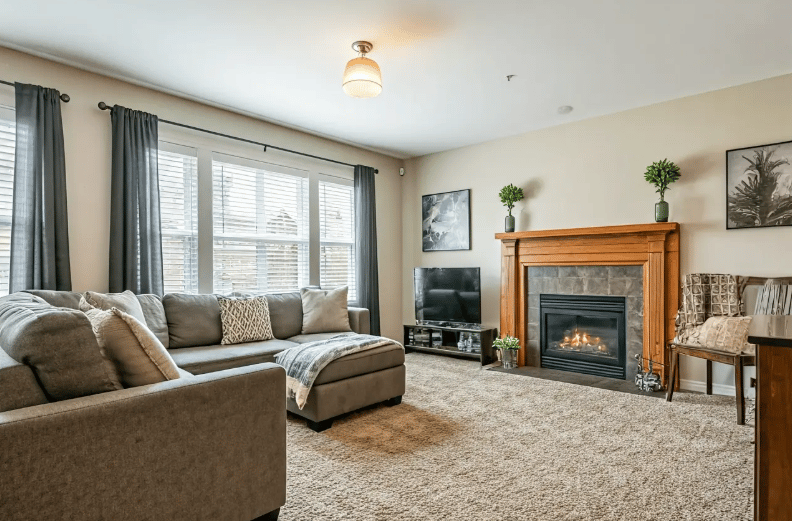
An experienced agent can provide tips on how best to prepare your home for showings. Ask what improvements or changes could enhance your home’s appeal and increase its market value. From minor adjustments like painting walls more neutral tones to significant renovations like kitchen upgrades, their input can maximize your home’s attractiveness to potential buyers.
Additionally, consider the agent’s recommendations based on what's appealing in today’s market. Simple staging techniques or enhancements to curb appeal—such as landscaping or eco-friendly modifications—could play pivotal roles in captivating buyers. Their expertise should guide you in making cost-effective choices that translate not only into an appealing presentation but also into tangible value gains.
7. Handling Offers and Negotiations
Negotiating is an art that can greatly affect your final sale price. Learn about their approach to managing offers and counteroffers to ensure you get the best deal possible. Ask about previous negotiation experiences that illustrate their skill at securing favorable terms. The art of negotiation often lies in knowing when to hold firm on terms and when to make concessions without compromising your objectives.
Inquire about their tactics for managing multiple offers, should your house incite such interest. Strategies like offer deadlines or knowing when to leverage bidding wars can significantly influence the final sale outcome. Having clarity on these approaches not only boosts your confidence but ensures that your agent is attuned to maximizing your home's financial potential amidst competitive interest.
8. Available Resources and Support
A well-connected agent can provide access to additional resources like home inspectors, contractors, and legal advisors. Ask about their network and any referrals they could make. These professionals play supporting roles in ensuring your sale proceeds smoothly and without unexpected hitches. Whether you need a trusted contractor for last-minute repairs or a reliable legal advisor to handle complex documentation, your agent's recommendations can prove invaluable.
Also, question whether they offer additional services like market analyses or proprietary tools that could benefit you even after closing. This extended support indicates genuine dedication to clients, ensuring your real estate journey is nothing short of successful from start to finish.