7 Mistakes to Avoid When Selling Your Home, According to Dallas Tung
Selling a home can be a daunting process, but with a bit of guidance, it doesn't have to be. Real estate expert Dallas Tung shares some common pitfalls to avoid when you're ready to put your property on the market. Avoiding these mistakes can make selling your home much smoother and lead to a better return on your investment.
1. Neglecting the First Impression
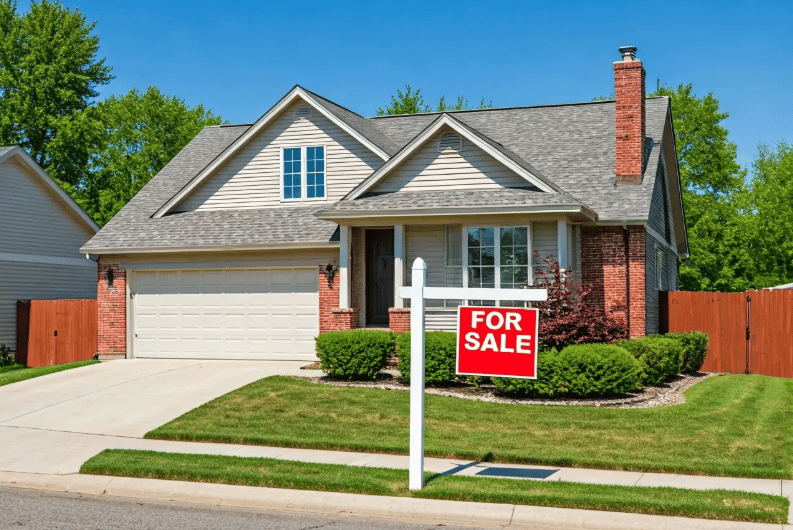
First impressions are crucial in real estate. A poorly maintained exterior can deter potential buyers from ever setting foot inside. Ensure the front yard is tidy and the facade is inviting to capture buyers’ interest immediately.
Consider the power of curb appeal. This involves more than just a clean lawn; think about repainting the front door and installing new, stylish address numbers. Such efforts can make your home look more attractive and unique. According to home improvement specialists, updating your home's exterior can increase value significantly.
Don’t forget about the potential of landscaping. A well-placed flower bed or a small garden could provide that extra touch that sets your property apart. When potential buyers approach a home, the greenery can offer a warm and welcoming feel, suggesting a slice of paradise they could own.
2. Overpricing the Property
Set a realistic price for your home. Overpricing can scare off potential buyers and lead to your home sitting on the market longer than necessary. Research the market carefully and consider professional valuation advice.
It's imperative to compare similar properties in your neighborhood. Examine what comparable homes have sold for recently and assess their conditions and features carefully. This can significantly help in determining an optimal pricing strategy. As real estate analytics show, pricing your home appropriately can reduce the sale time substantially.
To ensure you aren't overvaluing or undervaluing your property, consider consulting with a real estate agent. They possess the tools and knowledge necessary to interpret market data accurately. This will help set a competitive price point that attracts serious buyers. It's about finding the balance between achieving a fair price and engaging the market effectively.
3. Skipping the Decluttering Step
A messy home can make it difficult for buyers to imagine themselves living there. Decluttering and organizing can help showcase your home’s best features and make it more appealing.
Begin with room-by-room cleanup. Tackling one space at a time allows for thorough attention to detail. House items, especially personal and bulky ones, should be either thrown away, recycled or stored elsewhere. Experts in home staging assert that decluttering aids in increasing perceived space, often leading to quicker sales.
Don't underestimate the impact of organization. Clean counters, tidy storage, and neat displays can create an environment that allows buyers to envision themselves in the space without distractions. Opt for neutral decor that appeals broadly and remember—a fresh, airy atmosphere invites buyers to feel at home immediately.
4. Ignoring Necessary Repairs
Small repairs can make a big difference. Ignoring them might suggest to buyers that the house hasn’t been well-maintained. Address issues before listing your home to avoid them becoming negotiation points later.
Inspect your home with a fine-tooth comb. Everything from leaky faucets to chipped paint can leave a negative impression. Even minor issues, such as squeaky doors or faded wallpaper, should be resolved to signal to potential buyers that your home is a worthwhile investment.
When prospective buyers encounter a home in good repair, they infer that the rest of the house is likely well-cared-for. Consider the influence of quality home maintenance; ensuring that all foundational elements are secure can facilitate faster sales and establish trust with buyers.
5. Being Present at Showings
Potential buyers often feel uncomfortable if the seller is present during showings. Allow them to explore independently, as it provides a more relaxed environment for them to envision themselves in the space.
To foster an inviting exploration, constrain your presence. Conversations with owners can turn prospective buyers off as they need the freedom to critique and ponder without feeling the pressure of being watched. Thus, enabling the buyer's agent to guide the tour is crucial in maintaining neutrality and openness.
Your absence can help neutralize the environment, allowing the property to speak for itself. When buyers feel at ease, they spend more time in the space and could establish an emotional connection, which is vital for closing a successful sale.
6. Not Staging the Home Properly
Staging a home can significantly impact its selling potential. It helps buyers see the possibilities and envision how they can make it their own. Consider hiring a professional stager to enhance your home’s appeal.
Inadequate staging can obscure a home's potential. Professional staging consultants can strategically arrange furniture to emphasize space and utility. Interiors devoid of clutter, infused with tasteful decorations, communicate a clean slate ready for personalization.
7. Overlooking the Power of Online Listings
In today’s digital age, most home buyers start their search online. Ensure your listing is high-quality with excellent photos and a detailed description. A strong online listing can attract more attention and foot traffic to your property.
The significance of top-notch photography can't be overstated. According to digital marketing experts, clear, high-resolution images can captivate potential buyers, sparking interest before they’ve even set foot inside. Moreover, embrace virtual tours, as they provide immersive experiences hard to ignore.
Detailed and honest descriptions complement your visuals. Transparency about features, neighborhood perks, and accessibility to local amenities enriches buyer understanding. Invest time in crafting a narrative that showcases not only the property but also the lifestyle it affords.