8 Secrets Top Real Estate Agents Won't Tell You About the Market
Navigating the real estate market can feel like an intricate dance, full of unexpected twists and turns. While top real estate agents expertly guide their clients, there are certain truths they keep close to the vest. These insights could shift your perspective and empower your buying or selling experience. Wondering what these secrets could be? Let's explore them together.
1. The True Impact of Curb Appeal
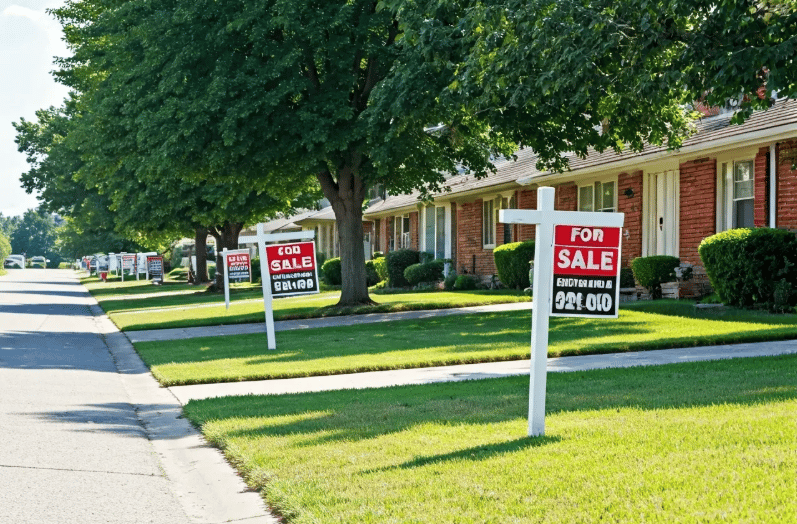
Real estate agents know that the first impression made by a property is pivotal. However, the weight it carries in driving up or down interest is often underestimated. A well-maintained exterior could be the difference between a quick sale and prolonged stagnation. Recruiting a professional landscaper to spruce up the lawn or adding a fresh coat of paint to the front door are simple yet effective ways to enhance curb appeal. This visual allure is not just about aesthetics; it's about creating an emotional connection that prompts potential buyers to envision their future in the home.
Interestingly, studies indicate that homes with high curb appeal tend to sell for an average of 7% more than properties with unappealing exteriors. This uplift can significantly affect the final sale price and is a secret weapon for knowledgeable agents looking to maximize their clients' returns. It's not only about attracting buyers—it's about attracting the right ones who see the property’s full potential from the outset.
2. Understanding the Role of Market Timing
Buying low and selling high is every real estate enthusiast’s dream. However, top agents understand that timing isn’t just about the right season but involves analyzing economic conditions and market trends. For example, a sudden increase in interest rates can dampen buyer enthusiasm, while a new infrastructure development in the area can boost property values. Real estate professionals keep a keen eye on these factors, often leveraging local insights and economic forecasts to strategize the best moments for action.
In truth, market timing is part science and part intuition. Top agents often use proprietary data and local market analytics to stay ahead of trends, allowing them to advise clients on when to list or make offers. This complex interplay of timing involves understanding nuances, such as seasonal buyer behavior and market cycles, which can dramatically impact the success of a real estate transaction.
3. The Art of Pricing a Home
Setting the right price for a property isn’t a straightforward task. Experienced agents use a combination of analysis and local knowledge to arrive at a price point that attracts genuine offers. It's a fine balance of science and art, requiring not just comparable market data but also an understanding of current buyer psychology. Overpricing a home can lead to it languishing on the market, while underpricing might cause sellers to miss out on thousands in potential revenue.
Agents often use a strategy called 'anchoring', where they set the initial asking price based on comparable homes recently sold in the area, ensuring the property is competitively priced. They also factor in unique selling points, such as recent renovations or luxury amenities, to justify a higher price. Ultimately, pricing is about perception, and these hidden tactics are part of a top agent’s repertoire to make the desired first impression.
4. The Importance of Home Staging
A blank slate may say clean and new, but it often fails to inspire. Top agents know staging a home with carefully chosen furniture and decor can ignite the buyer’s imagination and boost the perceived value. Home staging creates a lifestyle image that helps buyers visualize themselves in the space. It's more than just decorating; it’s curating an experience that showcases the home's potential.
In many cases, staged homes sell faster and for more money compared to non-staged properties. This trend can be attributed to the emotional connection buyers feel when they walk into a staged environment. It highlights the home's best features and can even make smaller spaces appear more spacious through strategic placement of furniture and clever use of color and lighting.
5. The Power of Local Market Knowledge
National trends are significant, but nothing beats local knowledge. Understanding community dynamics, school ratings, and upcoming developments can provide leverage in negotiations. For instance, if there’s news about a new public transit line being developed, a savvy agent can position their listings as having increased future value due to accessibility improvements.
Top agents often have access to hyper-localized data that an average buyer might overlook. This insight into neighborhood safety, local amenities, and even the character of nearby streets can be a game-changer when deciding on an offer or setting a price. In the end, this information arms the buyer and seller with a strategic advantage in an ever-competitive market.
6. Hidden Negotiation Techniques
Negotiating a deal is more art than science. The techniques employed by top agents, which include reading hidden signals and knowing when to push for more, could make a substantial difference in the deal you strike. Often, these agents create a psychological advantage by establishing rapport with opposing parties, which can help in identifying their motivations and limits.
Another technique involves the use of strategic silence—a powerful tool in negotiations. Letting the other party fill in the quiet moments can lead to additional disclosures of information or concessions that wouldn’t have come about otherwise. These are the subtle arts that experienced agents master to tilt the scales in their favor, securing the best outcomes for their clients.
7. The Reality of 'Off-Market' Listings
Sometimes the best properties never make it to public listings. Knowing about these exclusive deals often requires being in the inner circle of trustworthy agents who have the inside scoop. Off-market listings can offer properties that are highly sought after yet remain somewhat of a secret to the general public, providing a distinct advantage to those in the know.
This exclusivity is not merely about finding a unique home; it often means bypassing the typical competition and bidding wars associated with the open market. Buyers with access to off-market listings can negotiate directly with sellers, potentially leading to smoother transactions and favorable terms. It's a hidden world within real estate that requires the right connections to access.
8. The Value of Agent Networks
Top agents aren’t lone wolves. They are highly connected and often have a vast network that they can tap into for everything from finding buyers to arranging necessary repairs and inspections. Collaboration within this network means that an agent can swiftly overcome hurdles, such as last-minute contract issues or urgent home repairs, ensuring the transaction proceeds smoothly.
Moreover, these networks aren’t just about solving problems; they are a source of insider industry information. From knowing the most qualified home inspectors to having ties with local contractors who can provide quick and cost-effective renovations, these connections often translate to real advantages for their clients—timely solutions, reduced costs, and quality service. Real estate isn’t just about property; it’s about people, and top agents understand the value of a strong, interconnected community.