How to Invest in Real Estate: 3 Smart Strategies to Build Wealth
If you’ve been thinking about investing in real estate, you’re on the right track. Real estate continues to be one of the most powerful ways to build long-term wealth and grow your net worth. Whether you’re looking to earn passive income, diversify your portfolio, or create financial freedom, real estate investing offers endless opportunities.
So, how do you actually get started? Here are three smart strategies to help you invest in real estate successfully—even if you’re new to the game.
1. Start with Passive Real Estate Investing
If you’re not ready to buy a property just yet, consider passive investing. You can invest in real estate without becoming a landlord or dealing with tenants by exploring:
-
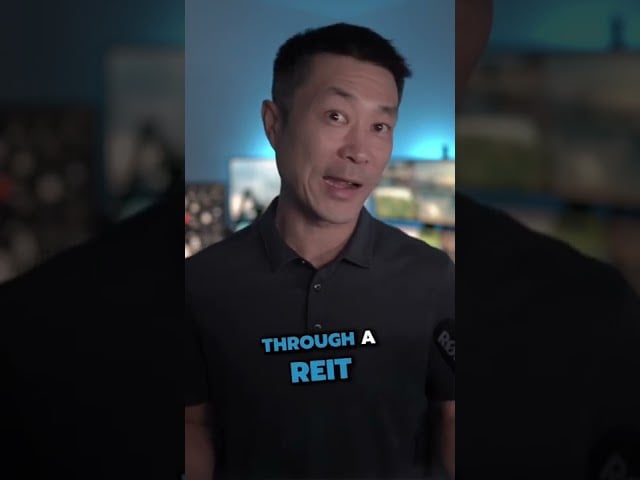
Real Estate Investment Trusts (REITs) – These allow you to invest in large-scale income-producing properties without having to buy or manage them yourself.
-
Limited Partnerships – You provide capital for an investment while someone else manages the property.
Passive investing offers flexibility and requires far less of a time commitment. Plus, it lets you diversify your investments across multiple properties or markets—minimizing your risk and maximizing potential returns.
2. Choose the Right Property Type
Not all properties deliver the same returns. Certain types of real estate tend to perform better over time because they stay in high demand. For example:
-
Single-family homes near good schools often attract stable, long-term tenants or buyers.
-
Condos or houses near universities maintain consistent rental demand year-round.
When you focus on properties with strong, built-in demand drivers—like proximity to schools, hospitals, or business districts—you set yourself up for stronger, more reliable cash flow.
3. Always Do the Math
Even if a property looks great, the numbers need to make sense. Before you buy, carefully calculate your:
-
Cash flow – Will the rent cover your mortgage, taxes, and expenses while still leaving profit?
-
Equity potential – Is there room for appreciation or value-add opportunities?
-
Repair and maintenance costs – Always account for renovations, repairs, or updates that could affect your ROI.
Smart investing isn’t about emotion—it’s about numbers. A property only becomes an asset if it generates positive cash flow and long-term value.