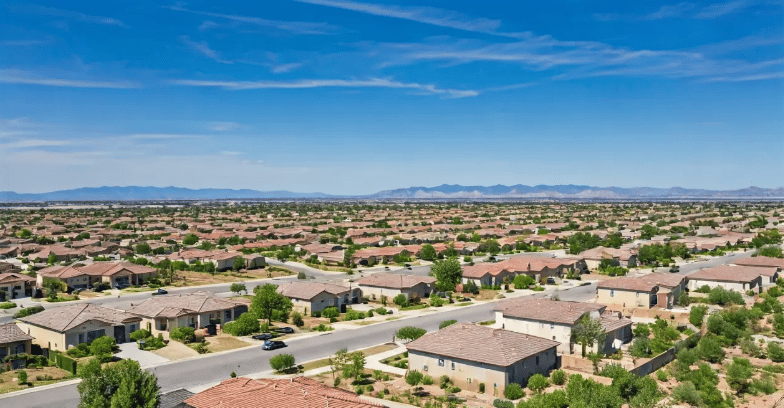
15 Questions to Ask When Touring New Homes in Henderson
Exploring new homes in Henderson can be an exciting journey. To ensure you're making a well-informed decision, it's essential to ask the right questions during your tours. This guide will walk you through the key questions to help you find your dream home with confidence.
1. Understanding the Builder's Reputation
Before committing to a home, it's important to know who built it. Inquire about the builder’s reputation and past projects to ensure quality craftsmanship. Look into any accolades or awards the builder might have received, as these can be indicators of their expertise and dedication to quality work. Additionally, reading reviews from previous homebuyers can reveal insights about their overall experience and satisfaction level with the homes and after-sales services.
Checking the builder's history in the community can also offer clues about their reliability and consistency. Are they known for completing projects on time and budget, or are there red flags in their track record? By doing some research and asking the right questions, you can feel more confident in your home purchase.
2. Evaluating the Neighbourhood
The location of your potential new home is just as important as the house itself. Ask about nearby amenities, schools, and community safety to determine if the neighborhood suits your needs. Often, the neighborhood can greatly influence your lifestyle, so spend some time walking or driving around the area to get a feel for its vibe and meet your possible new neighbors.
Convenience to essential services, such as supermarkets, healthcare facilities, and public transportation, is also something to consider. For families, the proximity to schools and parks can make a big difference. Additionally, if your work commute is a concern, you might want to simulate the drive during peak hours to gauge the traffic situation.
3. Assessing Energy Efficiency
Energy efficiency is crucial for both the environment and your wallet. Inquire about the home’s energy ratings, insulation, and sustainable features. Homes with Energy Star-certified appliances and windows can significantly reduce utility costs and environmental impact.
Consider asking about solar panel options or other renewable energy installations that may help you save money in the long run. Knowing the R-value of the insulation used in the home is another critical factor, as it indicates the material's resistance to heat flow – a high R-value means better insulation.
4. Exploring Customization Options
If you want to add your personal touch to the home, ask about the available customization options. Understanding what's possible can help you envision your future space. Some builders offer a wide range of customization choices, allowing you to select everything from paint colors to fixture styles.
Also, inquire about any additional costs that may be associated with these customizations to ensure they fit within your budget. Customizing your home not only makes it feel more personal but can also add to its value if done thoughtfully.
5. Reviewing Warranty Information
A reliable warranty can save you from future headaches. Be sure to ask about the home’s warranty coverage and duration. Typically, new homes come with a builder warranty that covers structural defects and certain systems for a period of one to ten years.
Understanding what is covered will give you better peace of mind. Also, find out who to contact if a claim needs to be filed. Ask if there are any additional extended warranties available that cover appliances or other installations in the home.
6. Checking Construction Quality
Investigate the building materials and construction practices used. Knowing these details can reassure you of the home's durability and safety. Look into whether the builder uses reputable suppliers and state-of-the-art building techniques.
Inquire if there are any certifications, such as LEED or other industry standards, that the home complies with. These certifications often indicate a higher level of construction quality and energy efficiency.
7. Inquiring About HOA Fees
If the neighborhood has a Homeowners Association, understand the fees and what they cover. It's essential to include these costs in your budget planning. Some HOA fees cover the cost of amenities like pools, gyms, or community centers, while others may go toward landscaping or security services.
Ask for a copy of the HOA’s rules and regulations to understand your obligations as a homeowner in that community. This understanding can prevent unexpected surprises and help you decide if the community is the right fit for you.