Is the Real Estate Market Slowing Down?
If you’ve been watching the news or chatting with friends lately, you’ve probably heard people asking: “Is the real estate market slowing down?” Many of my clients have been asking me this exact question—and with the recent interest rate hikes, it’s easy to see why.
The short answer? Yes, the housing market is slowing down—but not as dramatically as some might think.
What’s Happening in Today’s Housing Market
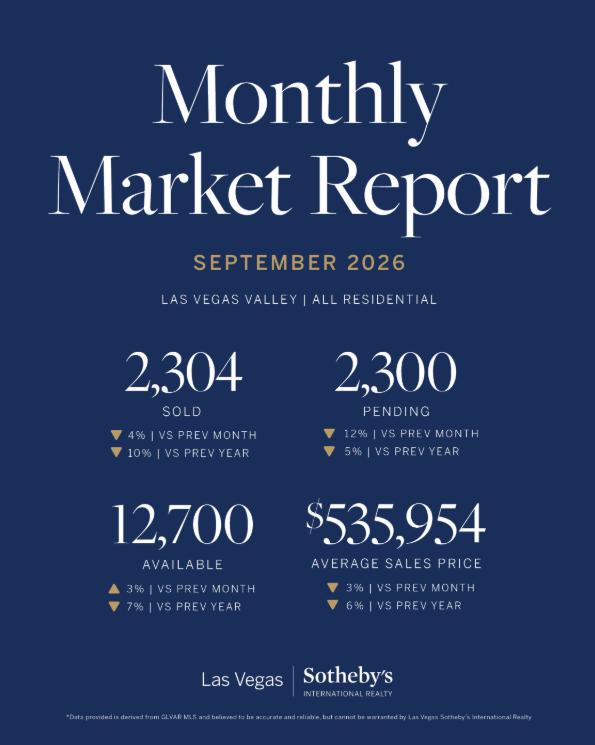
Over the past few months, we’ve seen a noticeable shift in the real estate market. According to both Zillow and Realtor.com, housing inventory has risen significantly. In fact, the Chief Economist at Realtor.com recently noted that if current trends continue, we could soon see year-over-year inventory growth for the first time in years.
At the same time, buyer demand has cooled. Mortgage applications have dropped for the third straight month, and existing home sales declined by 4%. This marks a clear shift from the red-hot, pandemic-fueled market of the last few years toward a market that slightly favors buyers.
Why the Market Is Slowing Down
There are a few major factors driving this change:
-
Rising Interest Rates
The Federal Reserve has been raising rates to fight inflation, and as a result, mortgage rates have climbed to between 5% and 6%—and may rise further. Higher rates directly affect affordability, reducing the number of qualified buyers in the market. -
Increased Housing Supply
We’re also seeing more newly built homes hitting the market, along with zoning changes designed to encourage additional housing. This rise in supply gives buyers more options and reduces competition.
What This Means for Homeowners and Buyers
With fewer buyers competing for homes, we’re seeing fewer multiple-offer situations. Redfin recently reported that just 60.7% of offers faced competition, down from 67.4% a year ago. Meanwhile, home prices have started to level off as inventory increases and demand eases.
But let’s be clear—this is not a market crash.
The 2007 housing crash was caused by poor lending practices, and today’s lending standards are far more secure. What we’re seeing now is a market correction, not a collapse.
The Bottom Line
Even though the market is slowing, it remains a strong time to sell. Home prices have risen 34% over the past two years, and while inventory is climbing, it’s still 48% below pre-pandemic levels (as of April). That means demand is still healthy—and sellers can still achieve strong prices.
If these trends continue, now may be your last chance to sell near peak demand and get top dollar for your home.